 What you’ll learn

Instacart is one of the easiest ways to start earning with your car. You pick the orders you want, shop for someone’s groceries and drop them off. No boss, no schedule.
But is it actually worth your time once you count gas, wear on your car and taxes? That’s the real question, and the honest answer is “it depends on your market and how picky you are with orders.” Here’s what you need to know before you sign up.
Is Instacart Worth It? The Short Answer
For flexible side money, yes. For a full-time living, it’s a tougher sell.
A Gridwise analysis of over 20,000 shoppers put the median around $12.51 an hour before expenses. After gas and mileage, your take-home is lower than that.
Some shoppers do a lot better by working busy hours and only taking batches that pay well for the distance. Others grab every order they see and wonder where the money went.
If you want something you can turn on and off around your life, Instacart is legit and pretty easy to start. If you need steady, predictable income, look at it as one app in the mix, not the whole plan.
How Instacart Works for Shoppers
Customers order groceries and household stuff through the website or the Instacart app. A shopper takes the order, goes to the store, picks the items, pays and delivers. That’s you.
Full-Service shoppers are independent contractors who shop and deliver. Instacart says over 600,000 shoppers use the platform, so there’s a good chance it’s already busy in your area. That cuts both ways.
More orders, but also more people competing for the good ones.
Orders come in batches. A batch can be one order or several orders from the same store, which is where shoppers make their best money per hour.
What You Need to Sign Up
The bar is low. You need to be 18, pass a background check, and have a car, a license, insurance and a smartphone. You’ll also need to be authorized to work in the U.S. and have a bank account for your payouts.
Expect to carry heavy stuff. Cases of water and big bags of dog food come with the job, so it’s not a great fit if lifting is hard for you.
How Much Instacart Shoppers Make
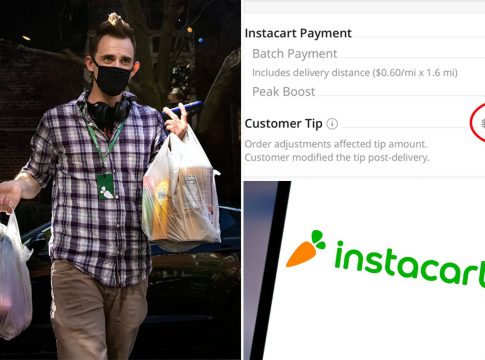
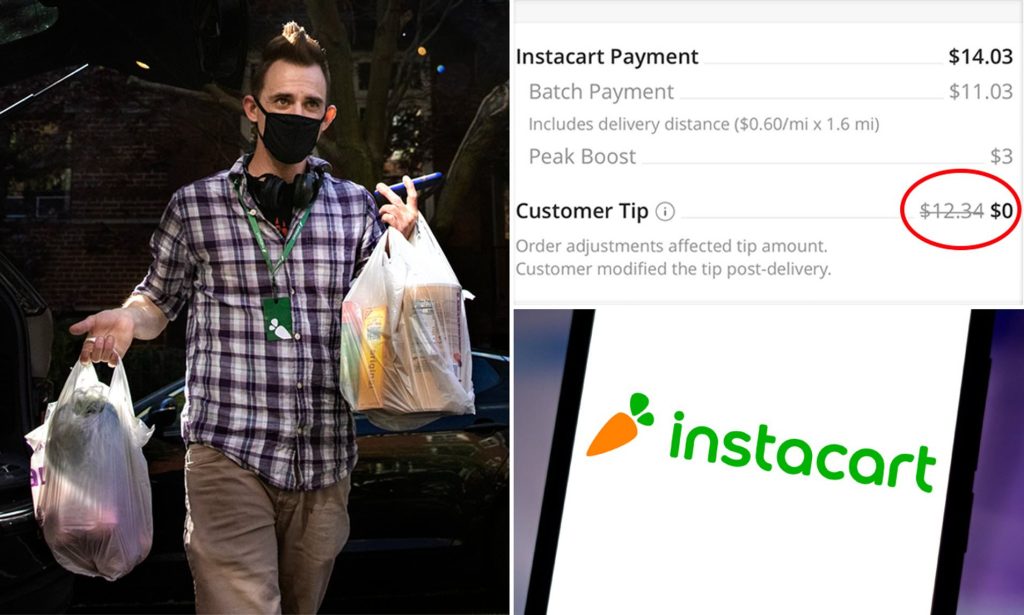
You get paid per batch, plus tips. Batch pay depends on things like distance, how many items there are and how much effort the order takes. During busy times Instacart adds peak boosts on top, which is when it’s most worth turning the app on.
Shoppers keep their tips, and tips are a big part of the money. A clean, fast delivery with good communication is how you earn them. Our guide to getting more tips covers what customers notice.
The most important habit is simple.
Look at the total pay against the miles before you accept. A batch that looks fine but sends you across town can end up paying less than minimum wage once you count gas. For a deeper breakdown, see how much Instacart pays and what drives it.
You can also earn extra by inviting new shoppers with an Instacart referral code, when Instacart is running a referral bonus in your area.
How You Get Paid
Weekly direct deposit is free. If you don’t want to wait, Instant Cashout lets you pull your earnings out faster.
There’s also the Shopper Rewards debit card. Instacart says it offers fast free payouts and cashback on gas: 3% for Diamond Cart shoppers and 1% for everyone else, capped at $100 a month. If you drive a lot, that gas cashback adds up, so it’s worth setting up.
Perks Beyond the Pay
Instacart has a few extras that most people don’t hear about until they’re already shopping.
Cart Star is its tier program. You earn points to move up the Cart Star tiers, and higher tiers unlock better perks, like the higher gas cashback on the rewards card.
There’s also a Shopper Relief Fund for shoppers who hit a rough patch, and Merit America scholarships for shoppers who want to train for a new career. Neither is a reason to sign up on its own, but they’re nice to know about.
What a Batch Looks Like, Start to Finish
You open the app and see the batches near you. Each one shows the store, the items, the delivery distance and the estimated pay with the tip.
Take it or pass, it’s your call.
At the store, the app works as your shopping list. You scan items as you grab them. When something’s out of stock, check the customer’s notes for a replacement first, and if there’s nothing there, message them. A quick “they’re out of this, want that instead?” saves you a bad rating.
You pay with the Instacart payment card, which only works for the order. It’s not for your own gas or lunch.
Then you load up and drive. Pack eggs and bread on top, and an insulated bag goes a long way for cold and frozen stuff. Follow the drop-off notes, snap a photo at the door and mark the batch complete.
Ratings matter. Customers rate every order, and a few sloppy deliveries early on can make the app a lot less worth it.
Pros and Cons of Instacart
The best part is the freedom. You work when you want, for as long as you want, and you can start quickly once you’re approved. Tips stay with you, the rewards card cuts your gas costs, and in a busy market you’ll rarely sit around waiting for orders.
The catch is that it’s your car and your costs. Gas, maintenance, insurance and depreciation all come out of your pocket, and none of it shows up in the batch pay. Pay swings a lot by market and by hour, the heavy lifting is real, and as a contractor you get no benefits and no tax withholding.
So who should bother? People who want flexible extra cash, live somewhere busy, and drive an efficient car. Who should skip it?
Anyone who needs a guaranteed paycheck or drives a gas guzzler.
Instacart vs. Other Gig Jobs
Instacart is just one of a ton of gig economy jobs, and plenty of shoppers run two or three apps at once to fill the slow hours. Here’s how it stacks up against the closest options.
Shipt vs. Instacart
Shipt is the most similar gig. You shop and deliver groceries and household goods, and you need a reliable car. The big difference is that Shipt lets you set the areas and stores you’d rather work, so you can keep your orders close to home.
Amazon Fresh vs. Instacart
Amazon Fresh delivery through Amazon Flex works differently. You don’t shop at all. You pick up packed orders and deliver them during blocks of time you sign up for, so you know your hours ahead of time. It’s only in select cities, though, and blocks can be hard to grab.
If you want more ideas, our lists of the best delivery job apps and gig economy apps are good places to compare.
Is Instacart Worth It After Taxes?
It can be, but only if you plan for taxes from day one.
As a Full-Service shopper, you’re self-employed. Instacart doesn’t withhold anything, so you owe income tax plus self-employment tax, which is how gig workers pay into Social Security and Medicare. Employees split that with their employer. You pay both halves.
The good news is that you can deduct your business costs. Mileage is usually the big one.
You can deduct your business miles at the IRS standard mileage rate, which is why tracking every trip matters so much. Your phone bill, parking and delivery gear like insulated bags can count too, as long as they’re for the work.
Come tax time, you report your earnings and expenses on Schedule C, figure your self-employment tax on Schedule SE, and attach both to your Form 1040. If you expect to owe a decent amount, the IRS expects estimated tax payments through the year instead of one big bill at the end.
An easy habit is to move a slice of every payout into a separate savings account the day it lands. That way the tax bill never catches you off guard.
Bottom Line
Instacart is worth it as a flexible side gig if you’re choosy about batches, work the busy hours, track your miles and set money aside for taxes. Skip it if you need a steady paycheck or your car eats gas.
Try it for a couple of weeks, write down what you actually net per hour after gas, and let that number decide.